Fiscal State of Nation Act & Solving for CPA Mobility with Lindsay Patterson
There may be errors in spelling, grammar, and accuracy in this machine-generated transcript.
Lindsay Patterson: [00:00:04] I got an email once from a state board because I had CPE and my email and I had emailed somebody in that in their state, and I'm like, who reported me for this? First off, we're like planning a birthday party, so calm down. But like some states are very aggressive.
David Leary: [00:00:21] Coming to you weekly from the OnPay Recording Studio.
Blake Oliver: [00:00:26] Hello and welcome back to The Accounting Podcast, your weekly roundup of news in the accounting profession. I'm Blake Oliver.
David Leary: [00:00:33] And I'm David Leary and Blake. I have to I will admit, maybe when I'm wrong, sometimes I'm going to roll back just a slight roll back a teeny bit. Not a full reversal on the AI and QBO.
Blake Oliver: [00:00:45] Right. You were talking about it a few episodes ago. Yeah.
David Leary: [00:00:48] I had to finally do reconciliation. My previous opinion was like, when is this magic AI that they keep saying is going to do work for me, right?
Blake Oliver: [00:00:56] Right. When is that going to happen?
David Leary: [00:00:57] My match transactions aren't matching, So obviously it's the end of the year. We got to close out our books and we do our once a year close, not a monthly close here at your mark.
Blake Oliver: [00:01:04] Yeah. You're doing like six months of reconciliation.
David Leary: [00:01:07] 12 months of reconciliation.
Blake Oliver: [00:01:08] For.
David Leary: [00:01:09] Bank accounts, etc. and what they've added in to the reconcile is pretty slick. So you upload now this only brings up. This only works with accounts that you have connected to a bank feed. Okay. So they're kind of I'm not saying cheating, but they're already getting to a certain percentage of confidence. Right. But then you upload your bank statement. It's the AI reads it. It automatically fills in the fields for your ending statement. Balance your closing date or your ending date from the statement. And then it takes you to the view of the reconciliation screen. You know, the matching screen or and then you also know the reconciliation screen. And it has every transaction has two lines. Basically the line of the transaction, your QuickBooks and the line from your bank statement.
Blake Oliver: [00:01:51] Right.
David Leary: [00:01:52] And it just it just rattles through. And so it where it saves time. It does matching for you. It doesn't do the full reconciliation for you, but it really saves you time because you're not having to, like, have another browser window open. And just the looking back and forth is just a lot of work. So it's not it's it's definitely slick and it's definitely an improvement over the old way of reconciling, but it's still not doing it 100% for you. But I also think it's they refuse to do this for you though, unless you have a bank feed. So they're kind of I'm not saying they're cheating, but kind of right. Because the transaction, 99% of the transactions are already there and they're already matching because you have the bank feed.
Blake Oliver: [00:02:30] Right? So what's the benefit of this AI that they've added in? How does it make it better?
David Leary: [00:02:36] Well, I don't have to type in like three fields.
Blake Oliver: [00:02:39] Because it's doing what it's.
David Leary: [00:02:40] It's putting the ending balance in and the statement end date. And then it's uh, it's matching to the bank statement. So, so you've already matched these in your right.
Blake Oliver: [00:02:51] The matching already happens.
David Leary: [00:02:53] From the bank feeds, but then it matches it again to the bank statement.
Blake Oliver: [00:02:58] Okay.
David Leary: [00:02:59] Which is good.
Blake Oliver: [00:03:00] So it's clearing those transactions in that reconciliation screen.
David Leary: [00:03:04] Yeah. So QuickBooks or QuickBooks is always like the sea for clear and then an R for reconcile. When you do the bank feed it puts cease. And then when you reconcile it puts the Rs essentially in the register.
Blake Oliver: [00:03:13] So it's helping you put the Rs in.
David Leary: [00:03:15] Yeah it helps me put the Rs in. But it's but really what it's giving you, it's it's actually comparing the data in QuickBooks to the bank statement. Right. But like I said, it's kind of cheating because it's only going to do it on ones you already have connected through a bank feed.
Blake Oliver: [00:03:30] Okay.
David Leary: [00:03:31] It can't do it with just tears of paper bank statement. Go match all these because half the data is already there, or 99% of it's already matched.
Blake Oliver: [00:03:38] So you're dialing back your prediction.
David Leary: [00:03:41] Not no. Accounting is not going to do bookkeeping. I will still insist.
Blake Oliver: [00:03:45] On AI is not going to do bookkeeping.
David Leary: [00:03:46] But matching. It's it's starting to do it better. It can match things.
Blake Oliver: [00:03:51] Yeah we'll get there.
David Leary: [00:03:52] And matching is not bookkeeping. Let's be very clear about that. Matching is not bookkeeping.
Blake Oliver: [00:03:56] Okay. Strong opinions from David Leary. Um, let's thank our sponsors for this episode. Those are we've got digits. Oh tax bandits.
David Leary: [00:04:08] Earmark on pay and UNC Kenan-flagler business school.
Blake Oliver: [00:04:13] Awesome. Well, let's thank our first sponsor.
David Leary: [00:04:17] If you're feeling the pressure of juggling 1099 w-2s and aca 1099 forms, listen up. Tax bands is the solution you've been waiting for. They've got over a decade of experience in support 100 plus tax forms, including everything from your 940 Ex series to those tricky state filings. Tax bandit handles both federal and state e-filing seamlessly, so you're set. No matter how many states your clients operate in, tax Bandits is IRS certified, meaning they offer instant processing of your forms and provide real time status updates, ensuring accuracy and eliminating the risk of Be notices. And for additional peace of mind, tax bandit goes a step. Tax bandits goes a step a step further with ten matching USPS address validation and the Tax Bandit commitment, their promise to stand behind your filings. This commitment includes free retransmissions for rejected returns, no cost corrections for accepted forms, and a money back guarantee. If a form cannot be accepted or is duplicate, ensuring your filings stay accurate, compliant and stress free from start to finish. Plus, delivering recipient copies is a breeze. Go with the traditional postal mail or give clients online access to their forms. It's all about flexibility. As an accounting professional, you'll love Tax Bandits Pro's features like a secure client portal, team management tools, and full branding customization. Everything you need to streamline your workflow and provide top tier service. And when it's late, you're tired and you need a helping hand. Tax Bandits support team is actually there via phone, email or live chat whenever you need them. And if you're ready to take control of the tax season and join thousands of tax professionals at Trust Tax Bandits, head over to Accounting Today. Podcast bandits. That's The Accounting Podcast. Thanks.
Blake Oliver: [00:05:59] Thank you. That's a lot. Thank you. Tax bandits and all of our sponsors. And welcome to our live stream viewers. Great to see you on this Friday. We've got IB s CNC with for coffee emojis Oswego Sharks says morning happy busy season and we get a hand wave from all pro lemon great to see you. Uh, if you have not caught us on YouTube, subscribe. Search for The Accounting Podcast on YouTube. Hit that subscribe button and that notification bell if you want to get notified when we go live and you can join us and chat with us, tell us what you think is important, what we should be talking about. Give us your hot takes on the accounting stories of the week. Also giving us hot takes this week will be Lindsay Patterson, who will be joining us for a segment on CPA mobility. But first, I want to talk about some new legislation in Congress that is good legislation. There's not a lot that I like, but this I really like. And the AICPA, the American Institute of CPAs is supporting it as well. This bill is called the Fiscal State of the Nation Act. It's a bipartisan bill introduced by Representative Andy Barr of Kentucky and Representative Scott Peters of California. This bill would improve fiscal transparency by requiring a report to Congress on the federal government's consolidated financial statements and related information. The Comptroller General of the United States, who works in the Government Accountability Office, would, by law, deliver an annual presentation in a joint hearing of the House and Senate Budget committees.
David Leary: [00:07:53] So this is not happening already. Isn't that like, like a fundamental tenet of like, fund accounting and not like government?
Blake Oliver: [00:08:01] I mean, any any accounting, right. It's like we need to deliver like an annual report to the board of directors, to the investors, to the people.
David Leary: [00:08:10] But a company a private company doesn't have to do this, but the government has to do it. That's what's confusing.
Blake Oliver: [00:08:15] Public companies have to do it. Public companies have to.
David Leary: [00:08:17] Public companies to.
Blake Oliver: [00:08:18] Present. And they do they do quarterly investor calls and all that. Right? Like, why shouldn't the government have to do this as well? So what the what this would do is basically create a recurring formal mechanism for policymakers to review critical components of the federal government's consolidated reporting. And 81% of Americans say they would support an annual report to Congress like this, 38% strongly support it. 89% of registered voters agree that elected officials should understand the federal government's long term obligations such as Social Security, Medicare and 84% of Americans say they're concerned that the national debt could reduce future generations economic opportunities. 43% very concerned. That's a lot. That is, according to a Harris Poll survey that the AICPA referenced in their statement on this bill. Mark Kozel, AICPA president and CEO, frames the bill as a critical step toward better understanding the long term effects of policy decisions and says that the AICPA strongly encourages Congress to advance the measure. And, David, we've talked on the show before about how there's a bunch of departments in the federal government that still can't pass an audit, including huge chunks of the Department of Defense. And I would love if every year the Comptroller general called them out in public because they can't pass an audit. So I also strongly support this bill, and I encourage our listeners to reach out to their representatives and senators to support it as well.
David Leary: [00:09:58] And this is going to be yearly, not quarterly, yearly, yearly. And do you think the behavior we see with public corporations where they play games to that every quarter, the numbers look better than the last one. Are we going to see that now? This report will come out every year, and everybody's going to want to make the numbers better than it was the previous year. And we get in this cycle of like gaming the numbers, right. Well, the report report.
Blake Oliver: [00:10:18] The report would be from the Gao. So, you know, they're separate from these departments. That would then be like submitting the information. So.
David Leary: [00:10:26] Oh yeah, I'm sure whoever's the president at the time is not going to want to influence the way that is reported out.
Blake Oliver: [00:10:32] We'll worry about that when we get there.
David Leary: [00:10:34] Yeah.
Blake Oliver: [00:10:34] Um, David, what's top of mind for you this week?
David Leary: [00:10:37] I got more legislation type things. Um, new Jersey is now the 25th state to adopt Adopt alternative pathways. I heard a rumor that Alabama, like yesterday or last night, may have agreed that they're going to pass it. And then I also saw a an opinion piece that's related to this. And the opinion piece was it's in Accounting Today, it's called it was titled 55 State Rule Books for CPAs to follow. So with all this change to the requirements, it's you have this fragmented system that complicates cross-state work for CPAs. So even a diligent CPA might be breaking rules in another jurisdiction and not even know it. Right. And some of the penalties are serious. Like you could get $5,000 fines, multi-year probations you could lose your CPA license. So it's it's an interesting like, you know, the pendulum swings the knife, right. And so over here, it's going to be easier to become a CPA. It's going to you're going to have some mobility. But over here things are messier. Right. And this could be one of those unforeseen consequences of 150 our Alternative pathways.
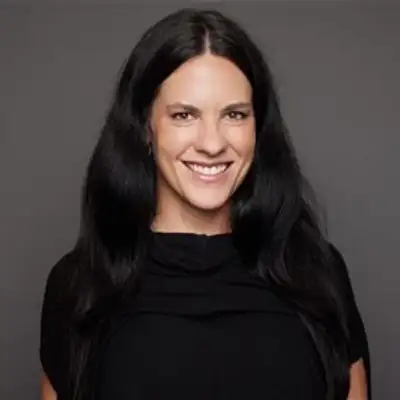
Blake Oliver: [00:11:42] Well, I'm glad you brought that to the show, David, because we have the perfect guest this week and that is Lindsay Patterson. She is the co-founder and CEO of CPA Quality Pro, a compliance platform built to help firms manage firm registration, individual CPA mobility, and the changing licensure requirements requirements across jurisdictions. She's also got deep roots in the profession. She started at the AICPA working on things like standards, the CPA exam, public policy, state regulation and legislation. And then she joined the executive leadership team at the Institute of Internal Auditors, where she led membership marketing and communications, including efforts related to the accounting pipeline. And she's also on Beta Alpha Psi board of directors. Lindsay Patterson, welcome to the show.
Lindsay Patterson: [00:12:32] Thank you so much for having me. I'm excited to be here. Long time listener. First time guest.
Blake Oliver: [00:12:37] Great to have you. We talk or we used to talk all the time about the 150 hour rule here on the program. We were really excited last year to see half of the states now adopt alternative pathways, removing the requirement for 150 hours, or giving us a different option to go back to a normal four year bachelor's degree type of education to become a CPA. And so it's great to have you on the program, because that has also created some complications with these different state requirements. Now for CPA licensure. And that is, as I understand it, really complicating mobility for CPA firms with employees and clients across states. So, Lindsay, could you give us sort of a lay of the land, like what is the situation now that we have all these states with alternative pathways?
Lindsay Patterson: [00:13:30] Okay, so I know you guys have talked about this before, but for first time, maybe listeners or who didn't hear those segments, our mobility as a profession is based on this idea of substantial equivalency, right? Like every single state has substantially equivalent pathways for becoming a CPA. And that you had 150 hours, you passed the CPA exam, you had that one year of experience. But now with the additional pathways, the 120 plus two years of experience, the question arises, well, is that 120 plus two equivalent substantially equivalent to 150 plus one? And a lot of states are looking to just get ahead of this issue. Love that. We want to see them getting ahead of it by introducing mobility legislation. So saying you know what, if you're a CPA in another state, you're good to practice under mobility in our state. But there's no uniformity in what these laws look like in these new mobility laws that are passing. So we see we see automatic mobility with guardrails. So it's like, oh, you're good to practice. In our state, if you have 120 hours with an accounting concentration with, um, you know, verified experience. While some states allow you to get licensed with verified, others require require that experience to be supervised. So now to truly answer the question, hey, can I practice under mobility in this state? I need to know more about my licensure and how I got licensed individually than ever before. And firms haven't been tracking that. Like, what firm do you know has asked their employees, hey, was your experience verified or supervised?
Blake Oliver: [00:15:17] Yeah, I can't think of why any firm that would be doing that. Yeah. So can you give me an example like like give me an example of, of a hypothetical firm situation where this would cause an issue.
Lindsay Patterson: [00:15:30] All right. So we're a firm in New York State and we are wanting to do an audit in Oregon. We have employees all over the country. Um, and we're going to sign them to this audit. Well, if I'm going to have somebody work on this audit and then ultimately sign the audit report, I'm going to need to make sure that they are now meeting Oregon's mobility rules. Right. If they're not living in that state. And what if they don't? What if they came up through a pathway that was not approved for mobility in that state? I mean, hopefully it's something that doesn't come up. But if it does, do you get fined by your state board of accountancy? Does it turn out that you're going to fail your peer review, that that you know, you're going to have to go back to that client and say, oh, yeah, that audit actually, we're going to we're going to have to redo that. We're going to have to pull that. Those are some worst case scenarios. But that's why we need to be talking about it now. Like get in front of it. Start having those conversations now so that firms are ready and they're not figuring this out at the last minute as they're trying to assign staff to an audit.
Blake Oliver: [00:16:37] So my next question is, oh, David, go ahead.
David Leary: [00:16:40] Is this a new problem because of the alternative pathways? Or is this just before because I thought, if I remember correctly, you always could become a CPA in New York just by passing the exam. There was no degree requirement. And then obviously other states have degree requirements. So this problem in my mind already has existed for decades.
Lindsay Patterson: [00:16:57] Well, you have to have it was still like 151 year of experience all that in New York. But no, the problem has existed. Absolutely. And you made a comment just a bit ago about like, even the most diligent firm might be breaking a law. All right. Hot take. After going through every single state's laws and rules, if a firm is operating across state lines now, I bet they're breaking one law at least. Like there are so many little nuances.
Blake Oliver: [00:17:26] All right, so I want to ask you what it is that firms need to be tracking. But first let's thank our next sponsor. And that's earmark. Did you know that you could get CPE for listening to this episode of the Accounting Podcast and many other fine accounting podcasts? David, what are your favorite accounting and tax podcasts?
David Leary: [00:17:46] On 15 of the biggest accounting podcasts in the world. Have a channel in the earmark app. So chances are a podcast that you already love and you listen to like oh my fraud. Federal tax updates, the unofficial QuickBooks Accountants podcast, Tax in Action, the Mr. R show best metrics inside public accounting podcast your party listening to these. So all you have to do is listen to the podcast. Head to earmark app. Take a quiz and get your CPE certificate. It's super super easy to do and it's free. So you can do one of these a week and get your CPE.
Blake Oliver: [00:18:17] That's right, completely free. So if you start now in January, as we record this episode, you could get your whole requirement done one a week in 40 weeks and you're way ahead of things. No more cramming at the end of the year. And if you want exclusive subscriber only content, if you want unlimited courses, because you just go above and beyond and you need more than 40 hours, you want to get 8100. We even have some of our subscribers who have gotten like hundreds of hours of CPE every year. You can do that. Get the unlimited subscription for just $170 a year, and support the work that we do here at earmark. So like David said, go to earmark app in your web browser, or download the free earmark app on the App Store or Google Play Store. Listen to podcasts while you're driving to work. You're working out, doing chores. That's my favorite thing when I do podcasts is or when I when I listen to podcasts, when I'm doing something else, like taking a walk, washing the dishes, whatever it is. Right? Don't be sitting at your desk doing CPE and David, we should remind those firm owners out there about the earmark for team subscription.
David Leary: [00:19:32] Yeah. So if you have a firm with five or more employees, email us at Sage and we can get you on a team subscription discount, start at 20% off and then go up based on how many seats you need. And we also for bigger firms, we can just do it off your domain. So if you're your @DavidLeary. Com is your firm name. We can every employee that has that email address just gets added to your team. You don't have to manage them and they get unlimited access. And we'll even give you a private channel so your own content can be in our app, not just the podcast that we have.
Blake Oliver: [00:20:02] That is really special. If you are making CPE for your people internally, like you're doing lunch and learns or webinars, maybe you're in a learning and development person doing that. At a big firm, you can use earmark to allow your people at your firm to get CPE on the go for the content you're already making. You just send us the links to your videos and we will create the CPE CPE course on earmark and make it available in a private channel only available to users on your domain to earn CPE. What a great way to get more of your people watching the content. This education you're already creating. So go to earmark app. Get the free app if you're interested in a team subscription. Email sales at earmark me. All right. Back to CPA mobility. Lindsay. Yeah. Um, what was the question that I was going to ask you? It escaped my mind.
Lindsay Patterson: [00:21:02] Oh, I think you were going to ask about what firms should be looking at.
Blake Oliver: [00:21:05] What do they need to be tracking now that we live in this world of varying state rules for mobility?
Lindsay Patterson: [00:21:13] Well, we've always lived in this world. I think it was just hidden. But now that it's coming more to the forefront, how did your CPAs get licensed? Was it 150 or 120? So make sure you know that. Um, did they have an accounting concentration? I would make sure start tracking. That. Was their experience supervised or verified. And then did they have 1 or 2 years? Those are kind of the core things. The other big one would be related to safe harbor laws. So a lot of states say like, hey, you don't immediately meet our rules. But if you've been practicing in accounting for four out of ten, five out of ten years, then you're good. You have mobility here. So that's something to keep in mind too, particularly for individuals who might come in under 120 in the next few years.
Blake Oliver: [00:22:06] So one of the questions we get a lot Lindsay comes from future CPAs and they ask us a lot where should I get licensed? Because you don't always have to get licensed in the state that you're in.
Lindsay Patterson: [00:22:23] No, that is accurate. Um, but I always say, what's the best state or the easiest state? Because I think sometimes the subtext there is easiest. And those are different answers.
Blake Oliver: [00:22:35] Okay. Well, let's start with, uh.
David Leary: [00:22:37] Give me an example. What does that mean? Like, what's difference between best and easy? What does that mean.
Lindsay Patterson: [00:22:42] All right. So for me best this is Lindsay Patterson's opinion. It's going to depend on what you're doing. Right. Where are you working? I would say the best state is where do you live and where are you going to be working, especially if you're doing audit work. That should be your number one question. Outside of that, I live in New York now. Um, my licensure path was so ridiculous, I started taking the no. I got my I started getting my master's when I lived in Virginia. I moved to North Carolina, then I moved to New York. I'm like, I don't know where I'm going to be when I end this process. Um, so for me, I got licensed in Washington State because they don't have a residency requirement. So if you're like me, that's great, right? And that's why you see Washington State have so many non-U.S. citizens get licensed there because you don't have to be resident.
Blake Oliver: [00:23:32] Oh, so that works great if you're saying the Philippines or in India, right? You want to become a US CPA.
Lindsay Patterson: [00:23:38] Or if you're like me and you're like, I'm moving constantly and I'm working in BNI anyway, I'm not gonna go sign an audit anytime soon. So it works for me, right? But if you want to do a test work in the state of New York, you better get your license in the state of New York.
Blake Oliver: [00:23:54] Now, could I get initially licensed in Washington state and then get my license in New York through reciprocity?
Lindsay Patterson: [00:24:00] If you don't mind waiting four years because New York is one of those 4 in 10 states. So what does that mean? So like, you could do that. You could get licensed. I could get licensed in Washington right away. But if I come to New York and I want to practice here and I want a New York license in the state of New York, they're not just going to give it to me because I don't meet their requirements. So I have to have four years of experience within the past ten years working in accounting and audit. So it's not like you can immediately get a reciprocal license in every single state.
Blake Oliver: [00:24:34] It depends on that state for it.
Lindsay Patterson: [00:24:36] Depends on that state.
Blake Oliver: [00:24:37] Yeah. So for me as a California CPA moving to Arizona, it was really easy for me to get my Arizona CPA license. But that's only because Arizona had similar requirements to California, I guess.
Lindsay Patterson: [00:24:49] Right. And that goes back to David's comment earlier about like there's 55 different rules because, you know, you have our five states and the five jurisdictions, they all have little nuances about can I practice here under, you know, under what parts of mobility, what services am I offering? And that's just getting into mobility. I think something that we've seen with CPAs recently at my company, not working for my company, but our clients is especially since Covid, you have somebody who got licensed in one state, then they moved to another state. They live there. They're doing work for clients in that state, and they're like, oh, I'm good under mobility. You're not like, you're breaking the law.
Blake Oliver: [00:25:31] And so it's just a matter of time or just roll the dice spin of the roulette wheel if you get caught for that, if the State Board of Accountancy comes after you. And I think David mentioned the fines, what are we looking at in terms of penalties here?
Lindsay Patterson: [00:25:47] Um, I've seen anywhere from like $1,000, $2,000, up to $15,000. And where it really comes is when you have like one or 2 or 3 things, that's when it, you know, you didn't notify the state board within 30 days that you moved. Right. So now you've got that and something else. So once they start piling on, that's when the fines start going up a little bit higher. I mean this is all public information right. You can go look at any. Well most state boards Put this information online. You can go see firms are getting and individuals are getting penalized for this pretty regularly.
Blake Oliver: [00:26:23] Yeah. It seems like something that's fairly easy for them to go after. And um, and so why wouldn't they. Right. Like that's seems.
Lindsay Patterson: [00:26:33] Right.
Blake Oliver: [00:26:34] Yeah.
Lindsay Patterson: [00:26:34] I mean, I, I got an email once from a state board because I had CPE in my email and I had emailed somebody in that in their state. And I'm like, who reported me for this? First off, we're like planning a birthday party, so calm down. But like some states are very aggressive.
Blake Oliver: [00:26:51] Mhm. Well you know if you are a firm of any like decent size then this can add up these fines, this, this, this can be a problem. So Lindsey how how is your new company CPA Quality Pro. How are you. How are you solving this for firms.
Lindsay Patterson: [00:27:09] Well thank you for asking. So our firm our software helps firms keep track of all of their licenses in one centralized platform that includes firm and individual. I think especially when you have firms that are licensed in multiple states, that's when we start to see hiccups. Firms, right. You're often having 1 or 2 people manage all of these licenses, and some states do it annually. Some do it every two years, some do it every three years. The renewal date is different. Is it December 31st, June 30th or the anniversary? So it's just a lot of manual paperwork. So firms can provide all that information to us. And we're going to help track it for them, send notifications to their staff all the way up to managing partner if it just keeps getting ignored over and over. And then we also provide information that you need to know to be licensed. So some states like North Carolina say I'm practicing in North Carolina under mobility. And I have heard many people say North Carolina is one of those like no notice, no fee, no escape. States are okay, but you still have to file your peer review report with them. And that's another thing that firms sometimes mess up on. So we're going to flag that within the software so that you're not worried about missing it. Again we're going to make sure you know hey you changed your address in our system. Now you need to let these 12 state boards know within 30 days.
Blake Oliver: [00:28:36] Well so I love this. It's sort of like, um, you know what this makes me think of? It makes me think of what happened with sales tax after the Wayfair decision, where we had all of a sudden all these different rules and all these different states and all these e-commerce sellers had to comply with all these different rules, and it was really insanely difficult. But then a company like Avalara came along and solved it with technology, and it really feels like that's what you're doing with CPA Quality Pro.
Lindsay Patterson: [00:29:03] I appreciate that. I like to think that and I'm going to steal that example. So thanks for giving that to me.
Blake Oliver: [00:29:09] Awesome.
David Leary: [00:29:10] Lindsay I have a question. Are there any states that are abusing? This is not the right term, but are there any state societies that are like, hey, we know we have a tricky thing and people are going to mess it up, so we're going to just find them. The best way I can think about it is if you're in Phoenix and you're driving to LA, you're going to be speed limit is 75 miles an hour. Arizona does not require you to have a license plate on the front of your car. The second you cross into California, the speed limit drops to 65, but you're on the same highway, the same international interstate highway. And they know you're from Arizona because you don't have license plate in front of your car. So you get pulled over for speeding every time you go to California if you're not careful. Is there any state that's like, oh, we got this little tricky part. Most firms are going to miss it. Let's go raise some money by finding them.
Lindsay Patterson: [00:29:55] Okay. So first off, what you're asking me to do is drop names of people who will not work with me in the future. Okay. Just kidding. Um, what this will be. I'll give you my experience. I see a lot in the Minnesota board minutes for people getting fined for this, so they seem to be a little bit more aggressive. I have personally received emails from the New York and Florida boards. New York was a little bit more aggressive, and I had to go back multiple times with them before they finally agreed. Well, I don't know that they admitted that they were in the wrong, but they stopped harassing me. So there are some states that are a little bit more aggressive than others. Then you have a state like Washington, which I think tends to be more remedial in nature. They're usually trying to. They want you to do the right thing, because a lot of times like this is really innocent mistakes, like I'm not for the most part, I'm not seeing firms be like, oh, I'm going to miss my license renewal by two weeks because I want to get one over on somebody. Right. They're innocent mistakes because firms are busy and the paperwork is complicated, and there's a lot of it for 1 or 2 people. And it's shocking to me how many times I've spoken to firms where the team or individual who handles like firm licensure and the person who does individual licensure. Two totally different people. In one case, the first time they met was on a call with my company. So like, it's not like there's anything deliberate here for the most part.
Blake Oliver: [00:31:23] Well, something we still need to stay on top of as CPAs. Lindsey, thank you for sharing that information and joining us. We'd love to have you hang out and, uh, offer your take on anything we talk about in the rest of the episode.
Lindsay Patterson: [00:31:35] I will absolutely offer my opinions on things. Thank you for the invite.
Blake Oliver: [00:31:40] Awesome. Before we move on, let's thank our next sponsor. And that is on pay. Are you tired of payroll headaches getting in the way of the client experience? You want to deliver manual workflows, creating bottlenecks, compliance, nightmares, and endless support calls that go nowhere. Well, there's a better way for your team and your clients on pay is the payroll partner that accountants and bookkeepers actually love. Why? Because it's easy to use. Packed with value and backed by support that actually supports you. Their team gets rave reviews for being fast, expert and actually reachable when you need them. Onp handles the heavy lifting. You get a dedicated onboarding coordinator who sets up worker profiles and transfers year to date data from previous providers, all at no extra cost. Their seamless QuickBooks and Xero integrations eliminate manual journal entries, and they support any type of businesses you serve farms, restaurants, nonprofits, you name it. Onp can handle unique requirements without adding complexity. And Onp keeps pricing simple to everything your clients expect from multi-state filing to off cycle pay runs is included. No hidden fees, no surprises. For a limited time, earn up to $10,000 when you switch clients to Onp, add three clients and run payroll by January 31st, 2026 and you'll get 1000 bucks. Then earn $200 for each additional client. To book a demo, head over to The Accounting Podcast. That's The Accounting Podcast.
David Leary: [00:33:14] So, Blake, I have a story we could jump into about Deloitte.
Blake Oliver: [00:33:17] Deloitte had a bad week.
David Leary: [00:33:18] You said Deloitte had a bad week. Um, the first part of the week, I think these happened on back to back days, but there was a post on Twitter or X because you can do like stories now or articles on Twitter. So there's a post on Twitter that got 43.5 million views. And this is the title of the article, Deloitte, a $74 billion cancer metastasized across America. And this touches this whole article touches on things we've talked about on the show, how the consulting arms of the big four there, they take on a project like the California payroll system, and the project never gets done. And they just keep charging for changes and overruns. I think Canada had a big accounting system for their government that never got done. So Deloitte essentially is super embedded and tied to systems for Medicaid, unemployment insurance, courts and social services, many of which have catastrophic breakdowns. Right? They've had fraud. They've had vulnerabilities. They've denied benefits to people wrongfully. Right. So there's there's this all this money going to Deloitte and they're not delivering is kind of the premise of the article. And it's at about $74 billion a year, is what Deloitte might be 74.
Blake Oliver: [00:34:27] Billion a year from like American taxpayers.
David Leary: [00:34:31] From American taxpayers. So obviously, in light of what's going on with fraud and government and the current political nature that's out there, they got really attacked by the MAGA full force. They were going after Deloitte. But then to make it worse, Deloitte this week also announced that they're going to hire 50,000 more employees in India, which is right after layoffs.
Blake Oliver: [00:34:50] Yeah, right after the layoffs, I saw that MAGA is going after Deloitte for that, right? Going after the big four.
David Leary: [00:34:55] So so let's just say there's no fraud involved. It's still a PR mess because people are going to connect the dots. They want to connect. And so the narrative basically out there now is Deloitte's taking billions of dollars of taxpayer money to hire people in India. And that is not a good thing to be to have. And then on top of that, you know, the people, the comments that are out there, people want them to do this for all the big four firms. Also the consulting firms like McKinsey. Mckinsey. Right.
Lindsay Patterson: [00:35:22] As they should.
David Leary: [00:35:23] And they want reports similar on all these other firms. And then if you think about it like, is Deloitte trying to get in the crosshairs of the Trump administration? Like it's pretty clear, like of all the things you want to do as a business or a corporation or an individual in this country is not to get in those crosshairs. And Deloitte is like, put their arms up to do it. This is I actually put a tweet out, we're going to have a big three in a month, another month end of February. We'll just have a big three like this. This is not good. Not good.
Lindsay Patterson: [00:35:49] Have you ever heard what's a saying like never attribute to malice what you can attribute to stupidity?
David Leary: [00:35:54] I said that last week. Yes. Yeah.
Lindsay Patterson: [00:35:56] That might be more what's going on like?
Blake Oliver: [00:35:59] Well, David, um, I've got a story here about the Pcob and another action against the CPA firm. So, you know, we were talking earlier with Lindsay about CPA firms getting in trouble for mobility. They can also get in trouble when they don't do audits. Right. And actually, that's one of those things I would love state boards to take more action on. Right is actually disciplining CPA firms that don't do their job properly. Pcob seems to do like an okay job. I mean, I see these stories all the time. Here's a here's a recent one. Um, this was an action against Zwick, CPA, a former audit manager named Jeffrey Hosko allegedly plagiarized audit documentation he took. The predecessor auditor's Workpapers replaced their firm name with his firm name. Zwick, CPA, updated the audit year and added work paper sign offs. He also prepared work papers that included a relevant documentation from other audit clients that had nothing to do with the actual engagement. So the Pcob found that Zwick's, CPA and owner Jack Zwick failed in multiple fundamental audit responsibilities. This was related to their audit of Genie Energy for the year ended December 31st, 2022. So 2022 Pcob is has got a backlog, apparently takes them a while to get to these things. They failed to properly plan, identify and assess risks of material misstatement, blah blah blah. I don't even need to go through the list. It's pretty obvious that they failed when the audit manager just like made up the documentation, rolled forward stuff and and faked it, right? Um, now what's interesting is the penalties. I always like to highlight the penalties. So, you know, what do what do you think Lindsay should be the penalty for a firm that fails in this to this degree?
David Leary: [00:37:54] Well, they fail. They created false documentation. More than a failure.
Lindsay Patterson: [00:37:58] Like. Yeah, right. Get out of here. You're losing your license, like.
Blake Oliver: [00:38:02] Well, unfortunately, no. See, CPE and Jack Zwick, they were censured and the registration was revoked, but they can reapply in three years. Zwick. You know Zwick himself. Same thing. Right. The fine is $50,000, and the firm has to implement remedial quality control measures and 40 hours of CPE for Zwick.
Lindsay Patterson: [00:38:29] So I don't know how much this guy was bringing in, but when you look at some of the fines compared to how much money these firms are bringing in, I'm like.
David Leary: [00:38:39] Because you're not gonna play like this just to make 50 grand. You're going to play like this to make 50 million, right?
Lindsay Patterson: [00:38:46] So at that point, this is just the cost of doing business. That's what they want to create. But it sounds like I We certainly are.
Blake Oliver: [00:38:55] That's exactly how I feel. Lindsay is like the fee from this audit was probably far in excess. Right? Right. So and get this, the guy who did the fraud, Jeffrey Hosko, he can petition to come back after two years. And he got 40 hours of CPE on PCAOB auditing standards and no fine. The guy didn't pay any financial penalty. So I always joke with David on the show, I say, David, we should just start an audit firm and just do sham audits for like ten years and see if we get caught and make a bundle of money. Like, I just feel like the, the, the, the regular like the, the enforcement on this doesn't match the this it doesn't even it doesn't even you.
David Leary: [00:39:39] Should do that. You actually if you're going to do this, you should do it like 2 or 3 years before you retire. And then if you lose your license, you don't care and.
Blake Oliver: [00:39:46] Just pay.
David Leary: [00:39:46] Some fine fee and go off to the sunset.
Lindsay Patterson: [00:39:48] Or CPE are they going to take what remedial CPE is going to be like? Oh, I was fine committing fraud before, but man, they should.
David Leary: [00:39:55] Listen to 40 episodes of our podcast is what they should force him to do.
Blake Oliver: [00:39:59] And that would be a true penalty, that's for sure. That. Um. All right, David, I've got a clip here that I wanted to play last week and we didn't get to it. And I just love this clip so much. Um, you know, I, I have a guilty pleasure of Instagram Reels, and Jerome Powell was popping up all over my Instagram last week because he recorded this statement. That's pretty badass. And it's in reference to the Department of Justice investigating him for that construction project to to fix up the Federal Reserve building. But it's clearly like a pressure tactic. Obviously, the Trump administration is trying to pressure the Federal Reserve to lower interest rates, and he's just having none of it.
David Leary: [00:40:47] So and was this before or after they said they were going to investigate him. Right? Did they? Are they investigating him or.
Blake Oliver: [00:40:55] Yeah. Yeah. So this was after the news came out that he was going to get investigated. So this is this is Jerome Powell.
Speaker4: [00:41:03] Good evening. On Friday, the Department of Justice served the Federal Reserve with grand jury subpoenas threatening a criminal indictment related to my testimony before the Senate Banking Committee last June. That testimony concerned, in part, a multiyear project to renovate historic Federal Reserve office buildings. I have deep respect for the rule of law and for accountability in our democracy. No one, certainly not the chair of the Federal Reserve, is above the law. But this unprecedented action should be seen in the broader context of the administration's threats and ongoing pressure. This new threat is not about my testimony last June or about the renovation of the Federal Reserve buildings. It is not about Congress's oversight role. The fed, through testimony and other public disclosures, made every effort to keep Congress informed about the renovation project. Those are pretexts. The threat of criminal charges is a consequence of the Federal Reserve setting interest rates based on our best assessment of what will serve the public, rather than following the preferences of the president. This is about whether the fed will be able to continue to set interest rates based on evidence and economic conditions, or whether instead, monetary policy will be directed by political pressure or intimidation. I have served at the Federal Reserve under four administrations, Republicans and Democrats alike. In every case, I have carried out my duties without political fear or favor, focused solely on our mandate of price stability and maximum employment. Public service sometimes requires standing firm in the face of threats. I will continue to do the job the Senate confirmed me to do with integrity and a commitment to serving the American people. Thank you.
Blake Oliver: [00:42:58] Badass.
Lindsay Patterson: [00:42:59] I love this. I love this.
Blake Oliver: [00:43:03] I don't really have much to say other than like Jerome Powell is awesome. And I hope.
David Leary: [00:43:10] The best thing I saw was that like, hey, look, the math nerd is the only person standing up to any of this, the math nerd. And it kind of makes me think of accountants. Like I say this all the time, us as accountants, you need to stand up and inform our clients of what's happening.
Lindsay Patterson: [00:43:23] Yeah, okay. Hold on. I'm going to challenge you a little bit because I completely agree with that. And I love this statement. Big fan, but we were just kind of teasing Deloitte because they're pissing off MAGA. Maybe this is their way of saying we're just going to do business. We're going to do what's good for us. And MAGA and Trump might be gone in a few years. We're not going to make business decisions based on that.
David Leary: [00:43:49] And just ride it out.
Lindsay Patterson: [00:43:50] Yeah, like it's not going to last forever. We're looking long term. Not 1 to 2 years.
Blake Oliver: [00:43:57] Well, and that's what companies are doing with these tariffs.
Lindsay Patterson: [00:44:00] Right.
Blake Oliver: [00:44:02] They're just going to ride them out. They're going to wait for Trump to be out of office. Tariffs go back to normal. And so that's why none of this is working right. That's why you can't you can't change the American economy with a policy that's only going to last one administration. So we're not seeing these massive investments that were promised. Right. And also the tariffs really haven't been as bad as they were supposed to be. So.
Lindsay Patterson: [00:44:25] Well yeah. No. When they come and go every 12 seconds.
Blake Oliver: [00:44:28] So yep. Uh, let's talk about why accountants leave public accounting firms. Lindsay I'd love to get your opinion on this.
Lindsay Patterson: [00:44:41] I mean, there's a lot of research in the market about why this is.
Blake Oliver: [00:44:45] And there's some new research highlighting new research.
Lindsay Patterson: [00:44:48] Let's see if it aligns with the traditional views that we all hear.
Blake Oliver: [00:44:52] So this was highlighted in Forbes okay. It's a piece by Joseph Brazel who's the Jenkins professor of accounting at North Carolina State University. And there's a new study from UNC.
Lindsay Patterson: [00:45:08] So immediately this is wrong. But let's hear it anyway.
Blake Oliver: [00:45:11] Let's give him the benefit of the doubt here. You know, um, setting aside all rivalries. So this is a study called Turnover Experiences in Public accounting and Alumni's Decisions to Give Back. It's it's coming out in contemporary accounting research. The hit publication for accounting research. The authors are Lindsay and Deola of Virginia Commonwealth University and Derek Dalton and Nancy Harp of Clemson University. They did two surveys of CPAs in audit tax consulting across Big Four and non Big Four firms. The two surveys were one a leavers survey. They interviewed CPAs who left public accounting and the Stayers Survey. They interviewed experienced CPAs still in public accounting. Here are the key findings. Work life balance is a central driver of exits. Poor work life balance is the primary reason people leave and leavers are skeptical of empty promises, so retention efforts have to be realistic and authentic. No surprise to me here. I have seen in every survey that the lack of work life balance is the number one reason people leave above compensation even, right? It's the hours, the deadlines, the pressure, the unending timesheets. Right? The inability to take PTO.
Lindsay Patterson: [00:46:37] Yeah. And I think we've always talked about long hours and salary and that just plays into this makes sense.
Blake Oliver: [00:46:43] Uh, leaving is often a long social process which creates time for firms to intervene. They can actually do something about it, because leavers will commonly discuss their intentions with coworkers and mentors and supervisors, and think about leaving for months before they resign. And the stayers who were interviewed also report noticing warning signs. So it's not like this is something that just comes out of the blue. These people in these firms who are working with the levers are aware of it and nothing is done. So there's an opportunity to do something about it. Um, indicators of people who are going to leave include lower quality work and personality changes, personality changes.
David Leary: [00:47:27] To Reddit, posting on Reddit about the accounting subreddits.
Blake Oliver: [00:47:32] Um, the researchers note that mentors play roles in turnover conversations, but many firms don't train mentors to handle delicate discussions about leaving. Also, while staying in touch after departure is described as important for future referrals. The findings suggest that most mentors don't continue communication with alumni, and negative shocks also reduce both retention and referrals. Leavers who experience adverse events, such as a bad supervisor, are less likely to stay and less likely to recommend the former firm later. So what's the big takeaway here? Uh, it is listen to your people. Pay attention so that you can intervene. But it's also just anything you can do to improve work life balance for your people. That's how you're going to retain them. And firms just like know this, but they don't do anything about it.
Lindsay Patterson: [00:48:25] I think a lot of companies, not just accounting.
Blake Oliver: [00:48:29] Yeah, I think it's especially true in public accounting, though, because the business model of many firms is sort of rooted in overwork. Uh, you know, when it's a billable hours model, the only way to get ahead and make more money for the firm and show your dedication is to just work the most hours, write the highest Billers are the ones who get promoted. And so if we don't change that as a profession, we're not going to solve this problem of people leaving public accounting and just leaving accounting entirely. That's also what we learned from recent data is like they're leaving and they're just going to do something else in a lot of cases.
Lindsay Patterson: [00:49:06] So David and I were just talking about this, like how the profession views so much through the through the eyes of others. Right. Licensure CPE billable hours instead of necessarily like competency or product delivered.
Blake Oliver: [00:49:24] So, Lindsay, did you say you got your master's at UNC?
Lindsay Patterson: [00:49:27] I did.
Blake Oliver: [00:49:28] Well, that's that's so relevant because our sponsor, one of our sponsors for this episode is UNC David, let me learn about UNC and their masters of accounting.
David Leary: [00:49:44] Yeah, let's face it, the job market is especially tough right now. But every industry needs accountants and accountants are always in demand. In fact, employment for accountants is projected to grow 10% through the year 2026 faster than most other professions. That's where UNC's Kenan-flagler Master of Accounting program comes in. It's one of the top ranked Macc programs across the country, with 98% of the students accepting a job offer within three months of graduation and earning more than those with just a bachelor's degree. If you're currently working full time raising children, serving the armed forces, or living halfway around the world, they're highly flexible. Macc program can also fit your lifestyle. You can choose their 12 month on campus program or their online only option, where you have up to 36 months to complete your degree. Plus, you'll join the powerful 46,000 strong UNC Kenan-flagler alumni network, which includes Lindsey Connections that will serve you throughout your career if you want to set yourself up as a lifelong learner. Pick the Macc program with the proven ROI to see why you should get your Master's in accounting at UNC Kenan-flagler Business School. Head over to The Accounting Podcast. That's The Accounting Podcast.
Lindsay Patterson: [00:50:52] And that was not planned, but worked out very well.
David Leary: [00:50:55] Yes.
Blake Oliver: [00:50:56] What a wonderful coincidence.
David Leary: [00:50:57] I want to give a testimonial. Did you go to the. Did you do the Macc program there?
Lindsay Patterson: [00:51:01] I did the Macc program. Yeah. And so I did it, um, like, mostly online, but we had a couple of courses and like this intro when we first started the program. But I will say I was that person who had I had five kids. I have six now, but I had five when I did the program and a full time job, and I made it work.
Blake Oliver: [00:51:18] That's amazing.
Lindsay Patterson: [00:51:20] Well, so yeah, shout out to Quincy.
Blake Oliver: [00:51:22] What a great testimonial there. Um, I want to highlight a listener email we got. If you want to send us a message, email The Accounting Podcast at me. That's the The Accounting Podcast at earmarked me. This is from Raina. Hi, Blake. I listened to your podcast with David Leary regularly and really enjoy the content. I feel like it helps me stay up to date on the latest news and changes in the profession, and I truly appreciate the show. I have a question about something mentioned in one of your advertisements that the accounting profession is expected to grow in the coming years. I think that was in the uncW message there. I'm a recent college grad who made a complete career change into accounting, but I haven't been able to find a job yet due to my lack of experience. In the meantime, I decided to apply to sit for the CPA exam. My question is, do you believe the demand for accountants will continue to increase in the near future? Or do you think automation and AI will significantly limit the need for accountants in the profession? Lindsey, I'd love to toss this question to you. No you're not.
Lindsay Patterson: [00:52:24] No I don't. Like we talked about this, I think it'll help with bookkeeping. But bookkeeping is not accounting. It's not auditing. There's. And it's so much more than just like journal entries, right? Like, you can go in so many different ways and opportunities with your CPA. No, you're going to be fine. Get your CPA, you'll get a good job.
David Leary: [00:52:43] Well, it's the it's that how many people are leaving the profession because they're retiring out. Yes. How much how many jobs are going to be replaced by AI? And then there'll still be growth? Yes. In theory, there's still room for growth.
Lindsay Patterson: [00:52:54] And jobs evolve, right? Like when I first graduated undergrad, we didn't have people doing SEO marketing. Even now, just in the last couple of years, I was seeing people learn how to do like ChatGPT, LLM, SEO equivalents that didn't exist five years ago. So the jobs don't always go away. They just evolve.
Blake Oliver: [00:53:14] Yeah. So I have sort of a mixed view of this. And this is this is based on what we've seen historically when technology disrupted bookkeeping. So when Microsoft Excel came out in 1983, um, the number of bookkeepers over the next many decades declined by about half. We went from something like 2 million to 1 million, roughly. Bookkeepers. But the economy grew, and the amount of work for bookkeepers actually grew, too. It's just they became way more efficient because now we can do it in spreadsheets. We're not manually crunching numbers in in paper spreadsheets spread out over a table. And and so I think the same thing is going to happen in accounting where we're at this point, inflection point where there's going to be a plateau of the total number of jobs. But it's not going to be like a it's not there's still going to be plenty of opportunity because there's so many CPAs retiring right now. Right. Most CPAs are like close to retirement age like 50 and up. And so there's a lot of opportunity for experienced accountants. The problem is going to be at the entry level because a lot of that entry level work in the big firms is being automated with AI like document collection. Putting together these work papers, sampling, manually write all that stuff is stuff that AI can do and is starting to do, and we're seeing it roll into these audit software packages, tax prep packages. Right. We're getting to the point where you can just like take a whole folder of documents and dump them in to like software, and it will prep the return. And that's something that staff used to do when they started, was just take all the information from the documents and put it in. So it's complicated because if you.
David Leary: [00:55:04] Can learn from that behavior by doing that 5000, 10,000 times, you learn.
Blake Oliver: [00:55:09] You learn. But now that we have to learn a different way because that's not.
Lindsay Patterson: [00:55:12] It's just an evolution. Yeah. And the job itself might change a little. But yeah, I would say a little bit of a counterpoint to that is we have so much private equity investment in CPA firms right now. They are not looking to invest their money in an area that they think is about to go extinct.
David Leary: [00:55:34] That's fair. An example of that. Proof of that.
Blake Oliver: [00:55:36] Oh, tell us, tell us.
David Leary: [00:55:37] I mean, well, it's not so much instinct, but they're probably not going to want don't want to invest in people. It's more technology, right. So an equivalence, which is a horrible name for an accounting firm. They rebranded the old name was called My Accountant which is such a better easier to say name. It's a better name. So there are 39 year old.
Lindsay Patterson: [00:55:57] Mark issues or something though.
David Leary: [00:55:58] I'm sorry.
Lindsay Patterson: [00:55:59] You might have had.
Blake Oliver: [00:56:00] Probably can't trade Mark. Yeah, you can't trade Mark. My accountant, I imagine.
David Leary: [00:56:03] So they're, uh. They're found in 87, rebranded in 2021. They're 39 year old firm that provides financial administration and bill pay services for ultra high net worth families and family offices. They just raised their first ever institutional funding round, $16 million investment from a fintech focused private equity firm called Ten Coves Capital. And every time Now I see a private equity investment. I start or into an accounting firm. I go start looking at the private equity firm. Well how convenient. Ten coves has investments in essentially an accounting firm tech stack margin edge, which is like restaurant accounting. Blue Jay, which is like the AI tech stuff. Canopy tax your practice management. Uh, purify, which is a spend platform. They they have the whole tech stack of accounting firm tech stack. And now they're going to start buying accounting firms. And what are they going to make them do? Use their tech stack. Obviously this this is the Red lobster shrimp pea situation over and over again I keep saying this.
Blake Oliver: [00:57:01] You can't just say that without context David.
David Leary: [00:57:04] Okay. So P the P the PE company that had Red lobster wanted to sell more shrimp. So they have a P company of shrimp. They also own all the shrimp. So they're like hey Red lobster sell shrimp for all you can eat prices. So they could sell more shrimp.
Blake Oliver: [00:57:18] Yeah.
David Leary: [00:57:19] This is exactly why.
Blake Oliver: [00:57:20] Yeah. Except except Red lobster went out of business because they sold too much shrimp for not for not enough money.
Lindsay Patterson: [00:57:25] But they got brought back by cutting the shrimp.
David Leary: [00:57:28] The PE company basically forced them to sell shrimp. Yeah. All you can eat and they lost money. And so this is what I wonder. And I keep saying this. People aren't concerned about this, but if Intuit Ventures started buying accounting firms and made them buy QuickBooks, people would lose their mind. And this is no different. This is what's happening. Private equity has a conflict of interest from a technology stack.
Blake Oliver: [00:57:51] Well, why are they doing it? It's because they know these firms are inefficient or using manual processes powered by people. They've got the tech stack. And so they know these firms can put in some tech and lower their labor costs by as much as half over the next decade or two. And what does that do? Margins go up.
Lindsay Patterson: [00:58:10] I agree with your point. I think that it can be completely a business decision that, hey, we're doing this because it's in the best interest of the firm, but then we get into that appearance of independence thing.
Blake Oliver: [00:58:22] Yeah. And that that's the issue when you have PE investing into firms that are doing audit. And then the firms now might be auditing portfolio companies of the PE firm that owns part of the accounting firm. That's where it gets really sketchy.
Lindsay Patterson: [00:58:39] And we're already seeing issues with that.
Blake Oliver: [00:58:41] And we talked about on a recent episode, the the new AICPA rules that are proposed to basically stop this. And, you know, it's funny, Lindsay, we were talking before we went live about how I've been critical of the AICPA on many issues in the past, but I'm it's amazing to me to say that I am in full throated support of two of AICPA positions in this episode. Two of them, I don't think that's ever happened before the fiscal landmark episode.
David Leary: [00:59:11] Like this.
Blake Oliver: [00:59:12] The Fiscal State of the Nation Act. Oh my God, what a great idea. Good job AICPA for supporting that. Let's make that happen. And two, the new independent standards relating to alternative practice structures so critical to protect our independence and objectivity and reputation.
Lindsay Patterson: [00:59:27] So you guys heard it here first. Blake Oliver is a mark Kozelek fan.
Blake Oliver: [00:59:31] Well done. Uh, and I've got some more good news to take us out on a high note. Accounting. Undergraduate enrollment is way up. It rose 7.3% in the fall. That's the third straight year of growth. Meanwhile, enrollment across all majors only grew 1.2%. So way up over all majors. 1 in 8 business majors are now 1 in 8. Business students are now majoring in accounting. That's up from 1 in 9 just two years ago. Even graduate accounting enrollment ticked up a little bit for first time since 2019. So I have a I have an idea why undergraduate enrollment has risen in accounting. Anyone want to take a guess here?
David Leary: [01:00:19] Iope.
Lindsay Patterson: [01:00:21] No no.
David Leary: [01:00:22] No.
Blake Oliver: [01:00:23] It's the 150 hour rule thing. It's got to be obviously.
David Leary: [01:00:26] Jesus.
Lindsay Patterson: [01:00:27] Oh, yeah.
Blake Oliver: [01:00:27] We said it was going to happen.
David Leary: [01:00:29] It was so obvious. It was so obvious.
Blake Oliver: [01:00:30] Yeah, we were right. Right. We said over and over for years on the show streamlined CPA licensure. Get rid of that extra year of unnecessary, expensive education and more people will want to be accounting majors.
Lindsay Patterson: [01:00:42] I am so.
Blake Oliver: [01:00:43] Glad.
Lindsay Patterson: [01:00:43] You said that, because we just got a comment that was like oncoming recession and I got to be real. That was the first thought that I had. But I like your answer better, so we're going with that one.
Blake Oliver: [01:00:51] Recessions tend to do that too, but usually it's after the recession starts. Right. The recession happens. And then people go into accounting because nobody like sees this stuff coming in the in the normie world. Right.
Lindsay Patterson: [01:01:02] It might be seeing it coming now.
Blake Oliver: [01:01:03] Right, right. But I'm saying you see it coming. But I'm like most students are not paying attention to it, right? They see that. They see the job market go kaput, and then they go into something more stable.
Lindsay Patterson: [01:01:12] Yeah. So I like 120. Right answer.
Blake Oliver: [01:01:15] Awesome.
David Leary: [01:01:16] Before we wrap up, I want to touch on a story about Brex and Capital One, and I think you have a quick story about OnlyFans. So I'm going to end on Quick story.
Blake Oliver: [01:01:26] Two quick hits and then we'll go.
David Leary: [01:01:27] Two quick hits. Okay. I don't know if you saw Capital One announced a $5.2 billion acquisition of Brex, and that should be the news. But if you step back, I think it's going to it's very bad news for zero. So if you think about zero strategy zero bought Melio for $3.5 billion and the bet or the thinker and the motivation of zero was this was the door to get into us small businesses because Melio is embedded with banks, specifically Capital One. And it's and it's basically people that are using the Capital One website to use Billpay embedded. This would be people that haven't don't have a GL yet. Right. So zeros entire US expansion bet was bet on Milios embedding inside of banks. And now I suspect now that Capital One bought Brex Brex has bill pay. Brex is set up to be embedded. Emilio is probably going to be pulled out of Capital One. And where does that leave zero strategy.
Blake Oliver: [01:02:25] On how significant Capital One is to like that? You know that business. We'll see. I do think that the acquisition made a lot of sense for zero. I don't know about it from a cost standpoint, but they need a way to get more us small businesses on their software. And one way to do that is get them when they like, first start taking payments. Because Zero's acquisition strategy in Australia and New Zealand and the UK is very different than it is here. Accountants have much more influence over there on what accounting software people use, because a small business owner and entrepreneur will come to an accountant when they get started, when they are thinking about starting a business, because there's so many compliance requirements around sales tax, essentially like GST. They got to do these like monthly filings. What is it? Bst in Australia. All this stuff. Right. We don't have to do that. So accounting software is often an afterthought here. And so the primary buyer is not the accountant. It's the small business owner. So Xero needs a way to get to those people before they go to QuickBooks. And Melio could be it.
David Leary: [01:03:35] So that door is possibly closing now. Yeah. Which is not good. Well. The doors.
Blake Oliver: [01:03:40] Um, okay, so last just for fun story here, Florida man proposes a 50% tax on feet pics and booty shaking. That's the headline. Ongoing concern.
Lindsay Patterson: [01:03:53] Florida man.
Blake Oliver: [01:03:54] Yes. So Florida gubernatorial candidate James Fishback proposed a 50% tax on OnlyFans earnings slash content. Framed explicitly as a syntax, Fishback argues that OnlyFans is corrupting the minds of young women and discouraging them from pursuing traditional careers. He said that creators would have two choices pay 50% of Florida, which would go to support teacher pay, slash education, or stop doing the work and pursue what he called something morally rigorous. Fishback claims the tax could raise about $200 million per year for the education system a year.
David Leary: [01:04:30] We are in the wrong business, the wrong business.
Blake Oliver: [01:04:33] Spending a lot of money on OnlyFans here.
Lindsay Patterson: [01:04:36] I also like how it's framed totally about the women. Hey, who's buying it?
Blake Oliver: [01:04:39] Exactly. It's a great point I.
Lindsay Patterson: [01:04:43] Can make about my feminist agenda.
David Leary: [01:04:46] So this should be a use tax and not a income tax.
Lindsay Patterson: [01:04:49] Yes.
Blake Oliver: [01:04:50] I like that. Wonderful. Well, that's all our time for this week, Lindsay. Thanks so much for joining us. So much fun to have you on the show. Thanks everyone who tuned in live. Follow us on YouTube. Subscribe to us on YouTube. Search for The Accounting Podcast. Subscribe. Hit that notification bell icon. You can get notified when we go live and comment here in the live stream. It's great to see you hazardous items and Allison and Firelands accounting that you're new. Welcome. Uh, hazardous items here. Uh, CDG. Uh, I can't say some of these. Boring accountant. Great to see you as well. You were a little late today. Uh, did you not have enough coffees? Um. Uh, ibis CNC got here first with the four coffee emojis. Oswego sharks. Great. Thanks for commenting. Um, if you haven't ever commented, I encourage you to do it next time. Earn free CPE for listening to this show. You already sat through it a whole hour of I don't know what this was, but guess what? You can earn CPE for it. Get the earmark app. Go to earmark app in your web browser. Download the free earmark app from the App Store.
Blake Oliver: [01:05:55] Sign up for free, earn one free CPE for week and subscribe to support the work that we do. We had, uh, David, I don't have the spreadsheet in front of us, but it was like 85%, uh, growth for individual subscribers last year. And so just thank you to everyone who subscribed. You are making it possible. Uh, if you haven't subscribed, do it. We're going to get cash flow positive this year. And, uh, that's really exciting. So, um, and if you if you have a firm if you are subscribing and there's other people in your firm who would benefit from this, let us know. We want to get your firm signed up for a team subscription. We can add CPE to your internal trainings and get everyone unlimited CPE for a very, very reasonable price. Email sales at me. That's sales at earmarks. Dot. And stay tuned this year for our 500th episode at some point. I don't know when that will be. We're going to do something special. Crazy to think that we've done it for this long. All right. Bye everyone. Great to see you. Thanks, Lindsay. And we will see you here next week.